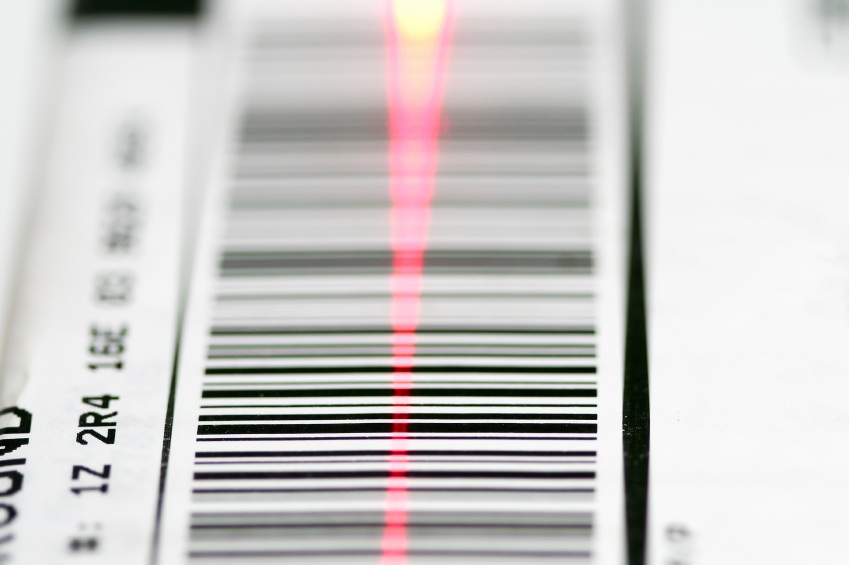
On June 26, 1974, the first UPC barcode was scanned on a pack of Wrigley’s Juicy Fruit gum, launching a supply chain management revolution. Fifty-two years later, barcode scanning, serialization, and operational visibility remain essential to inventory management, fulfillment, and regulatory compliance.
Most supply chains have no shortage of operational data. The bigger question is whether they’re capturing the data that actually improves decisions.
Every inventory movement, shipment confirmation, serialized transaction, product registration, and return generates valuable operational insight. Yet many organizations continue measuring activity rather than designing data strategies that improve operational efficiency, reduce costs, strengthen customer relationships, and create competitive advantage.
Supply chain leaders shouldn’t ask, “What data can we collect?” but “What decisions do we want our data to improve?”
Rooted in Silicon Valley, ALOM purposefully anchors its approach to supply chain execution in thinking strategically about data. For the last three decades, they have gained this expertise while implementing technology-enabled solutions for some of the world’s most demanding, highly regulated supply chains, turning the right data into better decisions.

Visibility Is Only Valuable When It Drives Action
Barcode scanning and serialization have long supported inventory accuracy, fulfillment, and regulatory compliance. Those capabilities remain essential and now expand into creating valuable insight into product performance and quality trends.
In regulated industries, serialized data allows organizations to identify exactly which products are affected during a recall. It supports inventory rotation based on expiration dates, helping ensure products closest to expiration are shipped first while aging inventory is removed before reaching the marketplace.
Product returns become more intelligent as well. A single serialized scan can initiate warranty validation, repair or refurbishment workflows, replacement fulfillment, disposition tracking, and product history updates.
These are proven applications of scan technology. But they also point to a much larger opportunity.
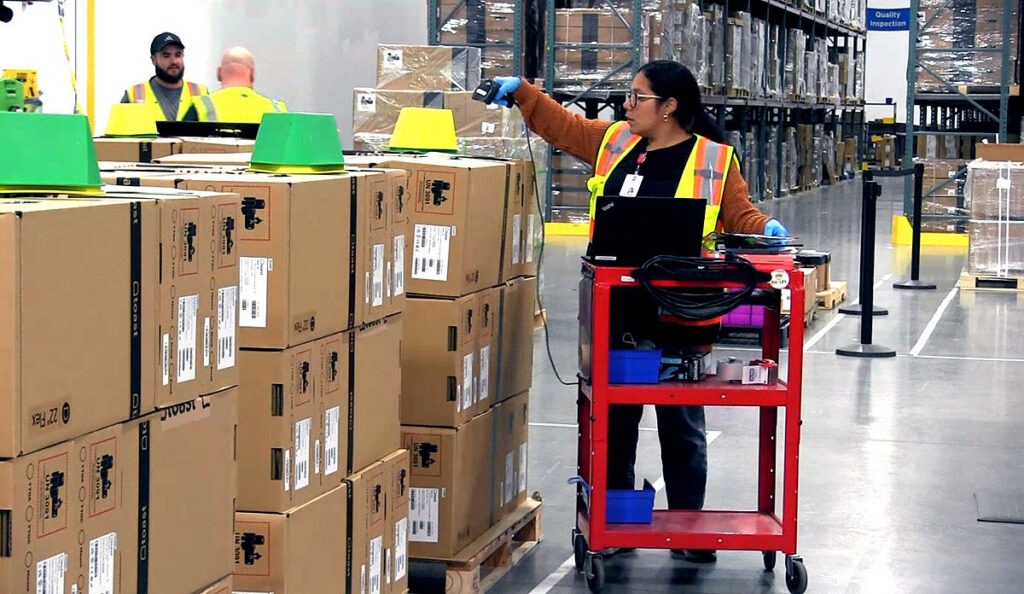
The Opportunity Isn’t the Scan. It’s What Happens Next.
Supporting high-compliance supply chains across healthcare, medical technology, automotive, and consumer products has reinforced an important lesson: the scan itself is rarely the end goal.
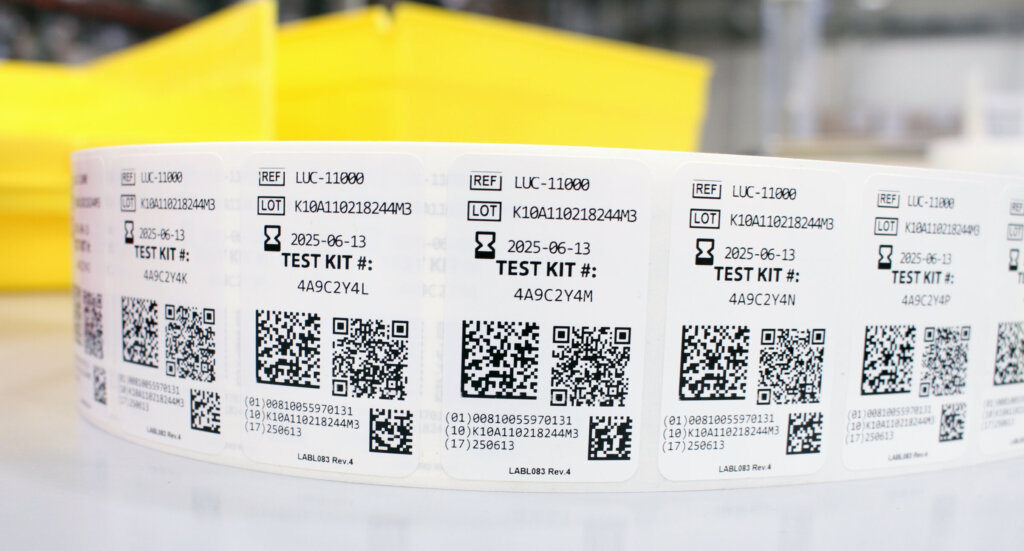
For some of ALOM’s healthcare customers, serialization ensures each diagnostic or genetic test kit is registered to the correct patient before samples are returned and matched to laboratory results. Managing programs like these where patient safety depends on flawless execution has shaped how ALOM designs serialization, verification, and quality processes across all high-compliance supply chains.
Connected medical devices create another opportunity. Once a serialized device is registered to a patient, manufacturers and healthcare providers can securely support warranty management, software updates, maintenance notifications, recall communications, upgrade and replenishment programs, and ongoing patient engagement, all built on the same operational data foundation.
When critical updates or recalls occur, the ability to identify exactly who has an affected device and communicate with them quickly is critical. It becomes a patient safety imperative. Accurate serialization and device registration are key to enabling manufacturers to locate affected users, coordinate corrective actions, and protect lives.
For automotive aftermarket programs, serialized product registration combined with a vehicle identification number (VIN) creates a richer customer profile. Knowing the exact year, make, model, and global location of a vehicle enables manufacturers to deliver localized communications, compatible product recommendations, software updates, recall notifications, and service information tailored to that specific customer and vehicle.
In each case, the scan is simply the starting point. The real value comes from the intelligence, automation, and customer relationships the data makes possible.
AI Is Only as Good as The Data Behind It
“We bring technology engineering to bear on supply chain problems. Most others bring physical business processes first,” says Brandon Marugg, ALOM COO.
That philosophy shapes how ALOM approaches artificial intelligence.
Long before today’s AI capabilities emerged, ALOM BI gave customers real-time visibility into inventory, orders, quality, and program performance through configurable dashboards, reporting, and analytics. Today, AI is building on that foundation by helping identify patterns, recommend actions, and surface opportunities or risks hidden within thousands of operational events.
Rather than simply reporting what happened, AI can detect anomalies, perform scan-enabled quality inspections, predict inventory shortages, prioritize fulfillment activities, and recommend replenishment actions before small issues become larger operational problems.
ALOM is actively evaluating AI through pilot programs focused on quality inspection, warehouse optimization, intelligent workflow prioritization, and operational decision support. The goal isn’t to apply AI everywhere, it’s to apply it where it measurably improves performance while maintaining the precision required in high-compliance supply chains.
Organizations that begin building this operational data foundation today will be better positioned to realize AI’s full potential tomorrow.
Three Questions Worth Asking
The first barcode scan transformed how products are identified. Today’s opportunity is to rethink how the data behind every scan can improve your business.
As you look ahead, ask yourself these three questions:
- Are you collecting operational data because technology allows you to, or because it helps your organization make better decisions?
- Is your operational data helping you improve performance or documenting activity?
- And as AI continues to reshape supply chain operations, are you building the data foundation it will need to deliver meaningful business value?
What matters today is how effectively your organization turns operational data into smarter decisions.