“For PG&E, dependable supply chain execution is essential. Our value is to ensure critical backup power products are available to deploy quickly, when and where needed. ”
Brandon Marugg
COO, ALOM
Case Study – In Brief
The Challenges
Safely storing critical lithium-ion battery inventory within PG&E’s service area
Minimizing thermal runaway risk to employees, property, inventory, and business continuity
Protecting PG&E’s operations and brand from battery-related safety incidents
Compliance with fast-evolving warehouse battery and fire-safety requirements
The Solution
Purpose-built, fire-marshal-designed and permitted battery storage facility
Fire-rated separation of battery storage area from main warehouse
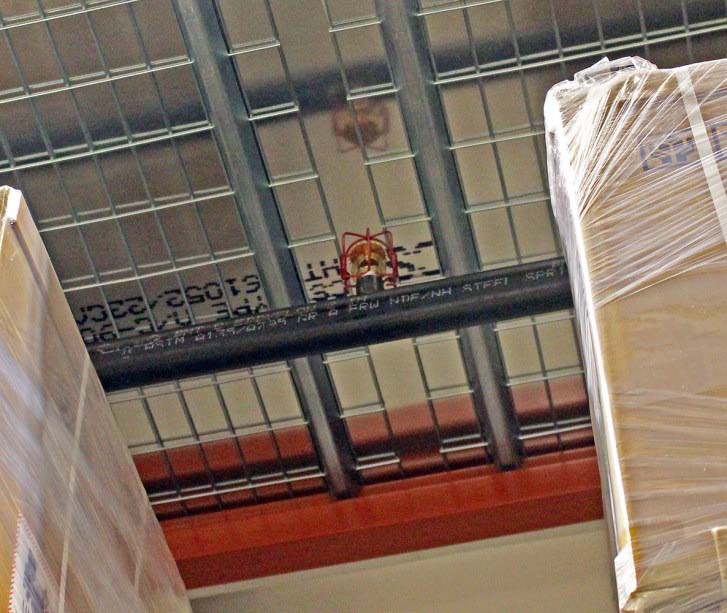
Advanced heat detection, air sampling, fire suppression, and containment systems
Hazmat-certified material handling and transport procedures
The Benefits
Best-in-class fire protection for inventory, employees, surrounding businesses, and the environment
Confidence in readiness of inventory for on-demand, same-day deployment
100% material availability
Compliance with stakeholder and regulatory audit requirements
The Full Story
Protecting critical backup power inventory requires a different approach to battery storage
Pacific Gas & Electric Co. is a publicly traded gas and electric utility serving 16 million people across Northern and Central California. PG&E has repeatedly selected ALOM to support high-compliance, critical infrastructure fulfillment programs beginning in 2008.
In 2020 PG&E began offering residential power backup and energy storage programs. PG&E again chose to partner with ALOM to source materials, protect specialized battery inventory, and reliably fulfill orders for these emergency power products.
Portable backup power stations and residential “full home” energy storage systems contain high concentrations of lithium-ion (Li-ion) batteries. Safe warehouse storage of Li-ion battery products is a critical supply chain requirement due to elevated risk of overheating and fire by a process called “thermal runaway.”
Conventional warehouse smoke detection and fire suppression systems are not designed to detect a Li-ion battery thermal runaway incident in time to stop ignition and spread.
It requires capabilities beyond conventional warehousing.
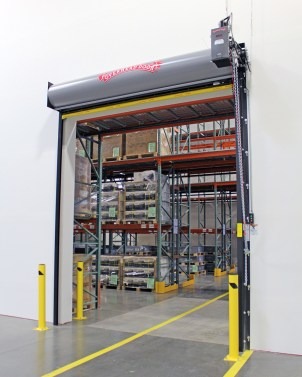
2-hour fire-rated containment walls and steel door
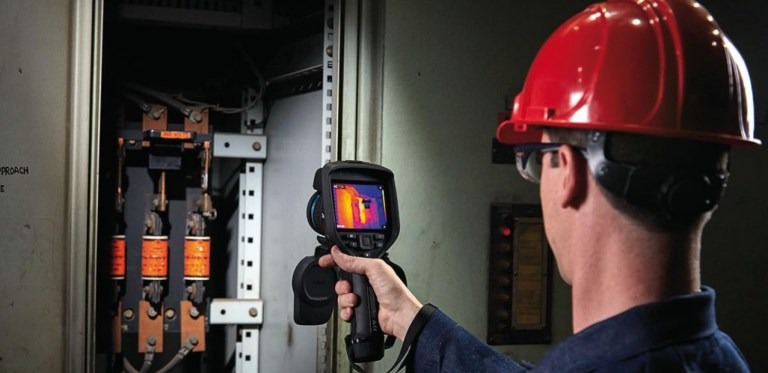
Thermographic infrared heat scanning
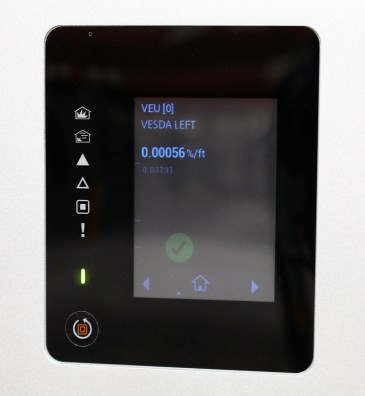
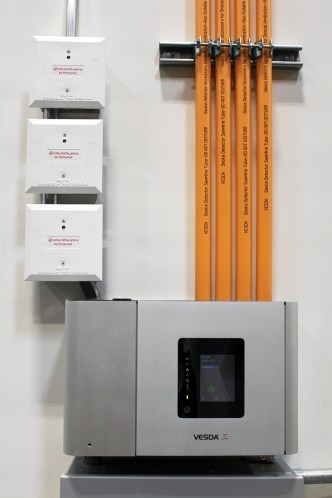
VESDA continuous air sampling smoke detection
ESFR-rated in-rack sprinklers with steel barriers between storage levels
At ALOM’s Sacramento facility, products for these programs are stored in a dedicated 12,200-square-foot, fire-marshal-designed and approved warehouse area. The facility is engineered to:
Fully comply with current fire code standards pertaining to Li-ion batteries, and;
Meet future battery-specific fire codes set to roll out during the next 2–4 years
ALOM’s battery storage area is separated from the main warehouse by 2–hour fire-rated walls and steel doors. This protects employees and inventory in the main warehouse from fire and smoke damage.
This state-of-the-art infrastructure provides PG&E with confidence that their inventory is protected with fire safety measures far beyond those in a conventional warehouse.
Battery storage designed for a higher level of risk
Many warehouses store products containing Li-ion batteries. Very few offer the advanced containment, detection, and fire suppression measures employed by ALOM to protect people, property, and inventory should a heat or fire event occur. Companies storing Li-ion battery products should ask whether their current storage provider has the infrastructure, processes, training, and transportation controls needed to manage battery risk across the supply chain.
PG&E Li-ion Battery Storage Value Delivered
ZERO Warehouse Safety Incidents
Since deployment
100% Product Quality
And out-of-the-box performance
Safety measures extend beyond the warehouse
Protecting products containing lithium-ion batteries requires more than specialized warehouse build-out.
ALOM works closely with OEMs to set charge levels before products ship to an ALOM facility. Too high of a charge level and the batteries could be more prone to overheating while in transport or in storage. Too little and the performance of the battery during its life is compromised.
Incoming Li-ion product inventory is received, inspected, and tested under strictly monitored quality and hazmat safety protocols by trained personnel certified in Li-ion battery safety procedures. For outbound shipments, ALOM partners with qualified carriers experienced in transporting products containing rechargeable batteries.
Looking ahead
As demand for products containing lithium-ion batteries continues to expand across utilities, healthcare, technology, telecom, and consumer products, safe storage is becoming an increasingly important supply chain requirement. Companies need to consider not only where battery inventory is stored, but how it is received, monitored, handled, transported, and kept ready for deployment.
With one of the nation’s most advanced battery storage facilities in operation, ALOM’s Sacramento operation demonstrates how specialized infrastructure, rigorous processes, and integrated supply chain management can reduce risks and protect communities without compromising product availability or operational performance.
“Our role goes beyond storing and fulfilling products. ALOM’s specialized infrastructure and regulated-industry expertise help PG&E build a resilient supply chain that supports its commitments to customers and stakeholders .”
Let’s talk about how ALOM can optimize and bring peace of mind to your battery storage and supply chain performance while protecting what matters most — your people, your inventory, and your brand.