It is frustrating. Sometimes it even makes grown people cry.
A designer creates the perfect product box. The production team manufactures it flawlessly. Yet when it arrives at the customer’s door or the retail store, it looks terrible: crushed, wrinkled, and damaged.
That gap between production and delivery is called transit damage.
Transit Damage Is More Common Than Most Brands Realize
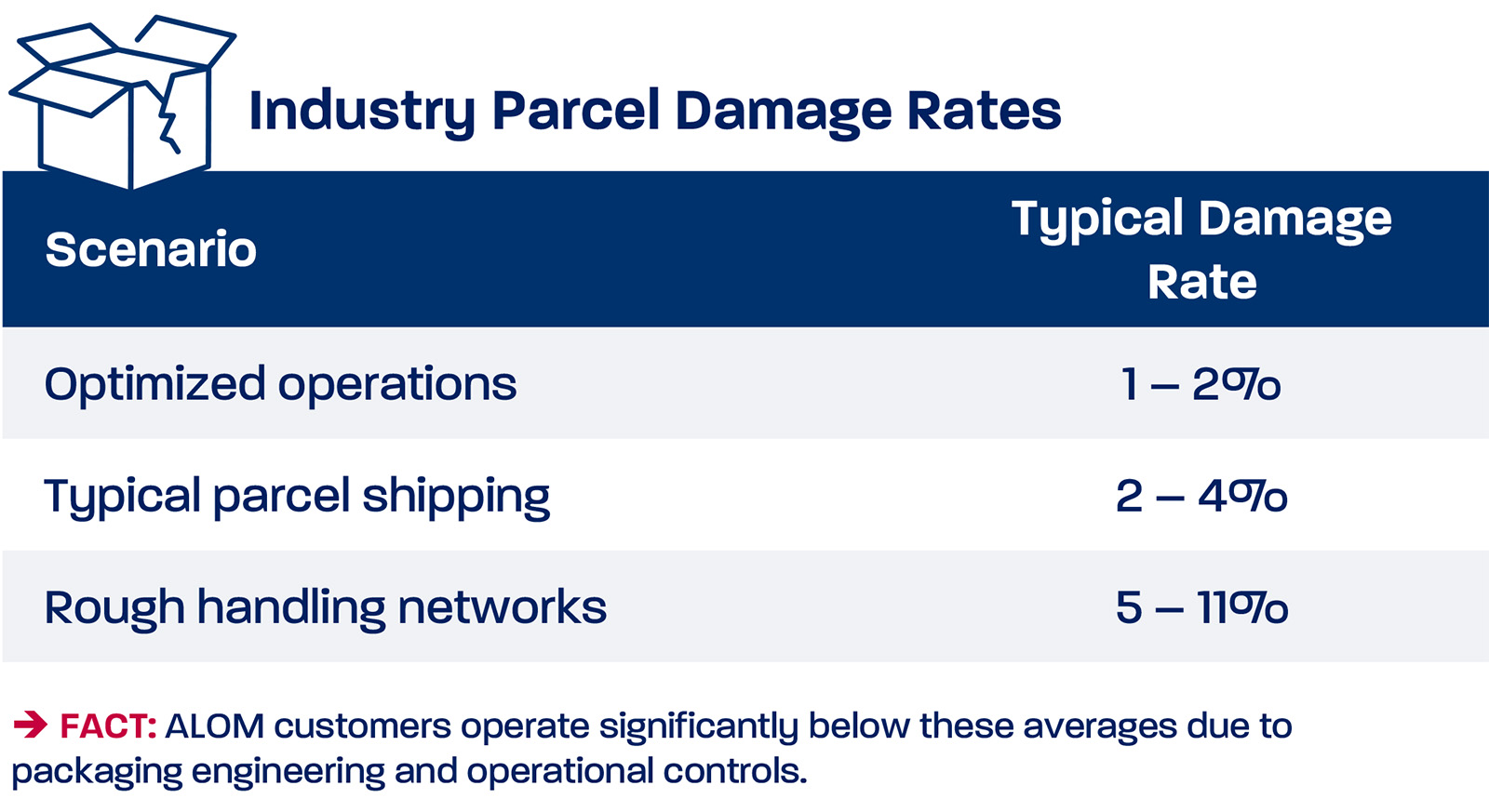
Industry data shows that parcel damage is far from rare.
Studies suggest:
- 3–4% of shipped parcels arrive damaged in the U.S., roughly 1 in 25 shipments
- Many operations plan for 2–4% damage rates in standard parcel networks
- In some environments or product categories, damage rates can reach 5–11%
For fragile products or fast-delivery services, damage rates can climb even higher.
That means millions of products reach customers in less-than-perfect condition every year.
But it doesn’t have to be that way.
What Causes Packages to Break in Transit
Certain freight and parcel carriers are known for rough handling
They rely on older conveyor systems, steep drops, and dense stacking methods that can stress packaging. Be thoughtful about which carrier you select. Use a skilled logistics group to advise you.
Moisture weakens corrugated boxes
Protect the product when loading it into the vehicle from the dock. Covered dock areas are ideal. Boxes that get wet at loading docks quickly lose structural strength and integrity.
Right-sized packaging is critical
Too little protection causes damage. Too much creates waste and dimensional volume and weight charges.
Shipping in the product box
Sometimes it works, but often the retail box is not strong enough.
Envelope shipping
Lighter and cheaper, but highly vulnerable to crushing.
Corrugate quality varies globally
Recycled materials are sustainable but require proper manufacturing processes.
Closure strength matters
Tape quality, sealing method, and workmanship standards all play a role.
Size and weight considerations
Oversized or very small packages often require special packaging solutions.
Why Our Customers Rarely Experience Transit Damage
We rarely see transit damage for our customers. Our experienced engineers, designers, and operators know how to optimize carriers, boxes, and packaging materials so shipments arrive safely.
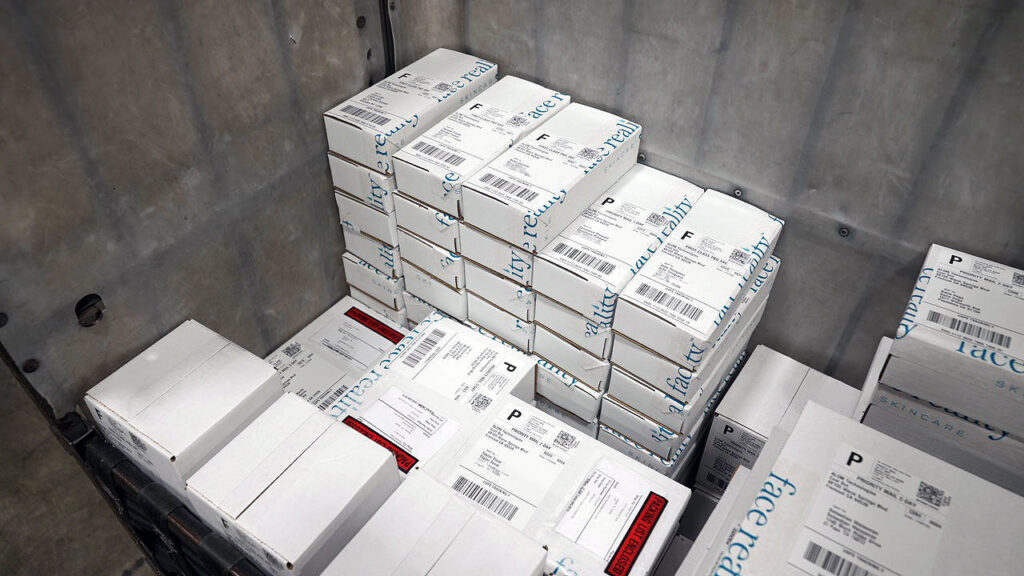
Sometimes the issue is not obvious. One customer learned this the hard way. Influencers who received their product began posting complaints on social media, saying the items looked old or used because they arrived covered in dust. For a brand that relied heavily on influencer marketing, the situation was frustrating and damaging.
When we investigated, we discovered that the issue was not product or storage-related at all, but caused by static electricity built up during shipping, causing the product to attract and hold small fibers and dust particles from the corrugated partitions, which appeared as contamination upon delivery. Through testing and process adjustments, we identified the root cause and implemented improved materials and packaging procedures that eliminated the problem.
The solution worked so well that the CEO of the company visited our facility and shot a live-stream video explaining the issue and the fix directly to influencers and customers on social media.

With millions and millions of units reaching customers without damage, our teams have developed a number of steps to prevent transit issues.
One popular way to save on packaging is to use the product box as the shipping box. The downsides are well-known: The product box may not be sturdy enough; it may become scuffed; the product box may also give away the content and tempt porch pirates to steal the high-end electronics or the fancy dress that was just delivered. We support many customers where this solution works. Yet we see equally as many cases where we have to advise against this solution.
More and more products are sent in envelopes only. We do it, too, for customers whose product is conducive to envelope shipping. It is certainly cheaper and lighter. It is often more sustainable. However, depending on the product, it can be extremely prone to transit damage. Choose carefully.
It is not always a full solution to use an outer corrugate box. The product may move around inside during transit and arrive damaged or scuffed. That is why dunnage must be considered carefully. It is possible to use sustainable and recycled materials. We always specify the most sustainable solution and ensure a tight fit between the product and the outer box.
This also prevents another significant issue: shipping “air.” Not only is shipping air not sustainable, but you may incur dimensional volume and weight surcharges from carriers, making it economically unsustainable as well.

For example, a customer came to ALOM after experiencing high levels of transit damage with a previous supplier. After reviewing the packaging process, our team implemented a dimensional packaging solution that selects the optimal carton size for each order.
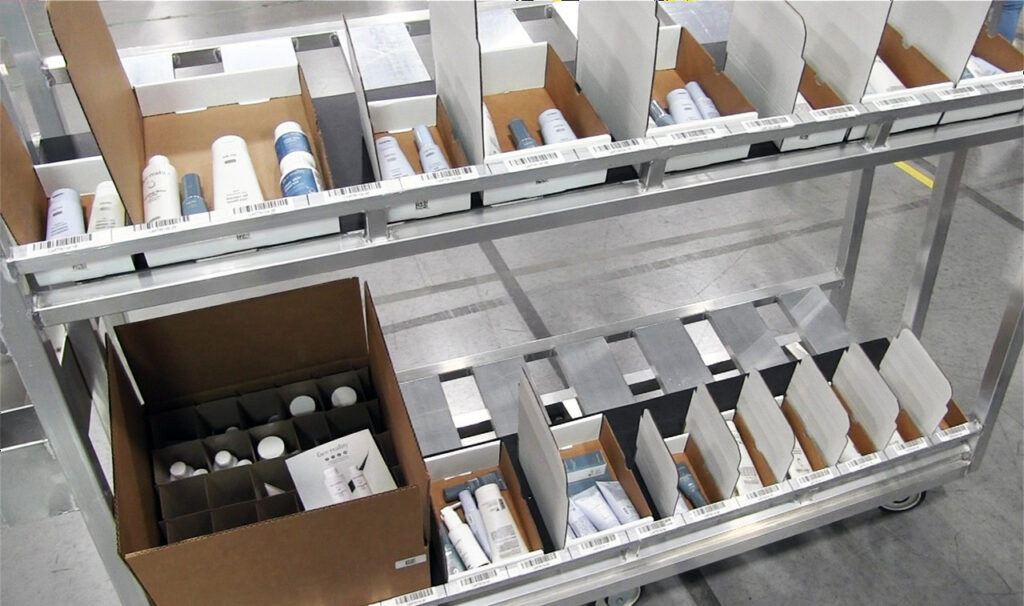 We also introduced enhanced, 100% recyclable protective materials designed to absorb bumps and drops during transit, even for fragile shipments such as glass bottles.
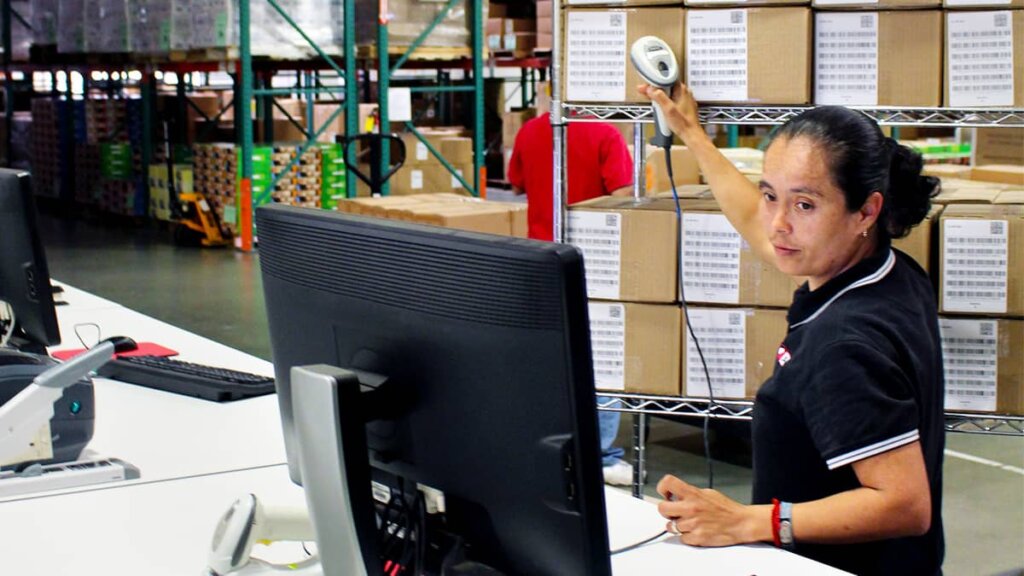
The results were dramatic. Transit damage was virtually eliminated. In addition, a custom quality assurance process using UPC scanning and high-definition camera verification ensured that every order was packed correctly, increasing order accuracy to 99.99%, an improvement of 0.12%.
Another critical factor to protect the cargo is the quality of the outer box. It should be subjected to drop tests, edge crush tests, box compression tests, and flat strength tests. In the end, testing the functionality is critical, but it is also important to consider where and how the box is manufactured.
In some countries, most notably China, forests are scarce and corrugated materials are often recycled many times. Over time, this can reduce tensile strength unless the manufacturing process compensates for the degradation. The issue can be exacerbated during ocean shipping, where corrugated materials absorb humidity, or during long-term storage.
There is nothing wrong with using recycled materials in packaging. In fact, it is often ideal. Yet the manufacturing process must be adjusted appropriately, and the number of recycling cycles must be considered.
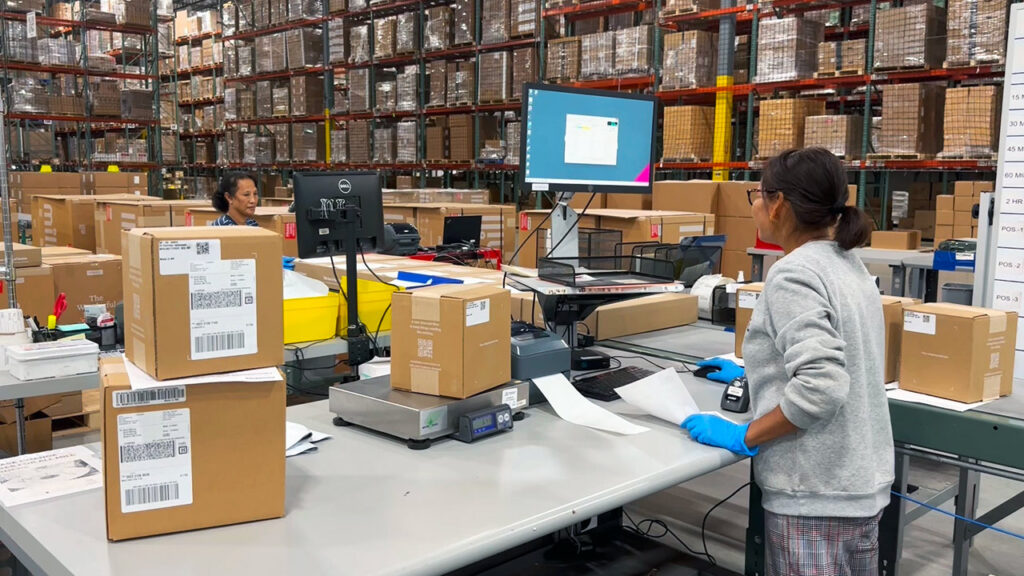
Finally, a strong box closure helps keep the contents inside. Quality tape, strapping, or other sealing methods are important. Ideally, your supplier should maintain workmanship standards to ensure this is done perfectly, whether by hand or by machine.
Heavy and oversized products require special consideration. Surprisingly, so do very light or small boxes that can get stuck in materials-handling equipment or slip down below larger, heavy boxes. When it comes to protective packaging and avoiding transit damage, literally one size does not fit all.
Packaging Designed for the Real World
That is why our team of packaging specialists assesses each product prior to every new product launch. By carefully optimizing packaging design and shipping methods, we ensure that each individual shipment, to whatever channel you are shipping to, arrives exactly the way it should be.
Perfect.