In technology, innovation gets the headlines. But scaling the supply chain is where the real operational test begins.
For scaling technology companies, operational execution increasingly determines whether growth strengthens the business or exposes supply chain weaknesses that disrupt fulfillment, customer trust, and long-term growth.
A product launch may prove market demand, but growth introduces an entirely different set of operational challenges: more SKUs, more regions, more compliance requirements, more fulfillment complexity, and rising customer expectations. For many technology companies, execution at scale, not innovation, becomes the bottleneck to success.
In practice, scaling successfully requires far more than increasing production volume.
It means having production, fulfillment, quality, materials, labor, technology systems, and logistics operations capable of rapidly expanding without losing visibility, quality, or damaging the customer relationship.
A product that suddenly exceeds forecast demand by 10X still has to arrive accurately, on time, compliant, and aligned to the customer experience the brand promised. Operations supporting that demand cannot break under pressure.
Few operating environments expose those constraints faster than Silicon Valley.
For nearly 30 years, ALOM has supported tech companies navigating exactly these challenges, helping scaling organizations build operations capable of adapting as quickly as the products themselves.
Why Scaling Technology Companies in Silicon Valley Requires Different Operations
The Bay Area is one of the world’s most demanding environments. Here companies operate under compressed timelines, rapid iteration cycles, engineering-driven expectations, and a constant need to scale globally.
Product changes happen fast, and operations are expected to adapt in real-time. The environment rewards speed, but not at the expense of quality, precision, visibility, compliance, or customer experience.
Working alongside both emerging innovators and major technology brands in the Bay Area taught ALOM early that rigid operational models rarely survive scaling pressure. Customization, adaptability, and operational visibility are critical to survive in this tech hub. It is operationally relentless.
How Silicon Valley Shaped ALOM’s Technology Supply Chain and Fulfillment Expertise
ALOM was founded in Silicon Valley in 1997 during the internet and packaged software boom.

Early programs focused on high-volume software duplication, packaging, and fulfillment operations for rapidly growing technology companies. Product versions changed constantly. Launch windows were compressed. Quality and release date expectations were exacting.
Operating inside the world top innovation center forced ALOM to evolve quickly.
Over nearly three decades, ALOM has supported companies through major operational and industry shifts including the meteoric rise of e-commerce, cloud platforms, open-source development, over-the-air software updates, autonomous technologies and vehicles, serialization systems, advanced automation, robotics, and AI-driven operational systems.
The environment also shaped the people and expertise inside our organization. Being headquartered in the manufacturing hub of the Valley allowed ALOM to attract highly technical talent capable of supporting complex supply chain and fulfillment programs.
In some cases, ALOM teams worked directly alongside engineering organizations at global technology brands to help operationalize complex fulfillment and deployment requirements.
Over the years in that pressure-tested environment, ALOM has repeatedly seen how quickly operational risk intensifies once high-growth technology companies begin scaling.
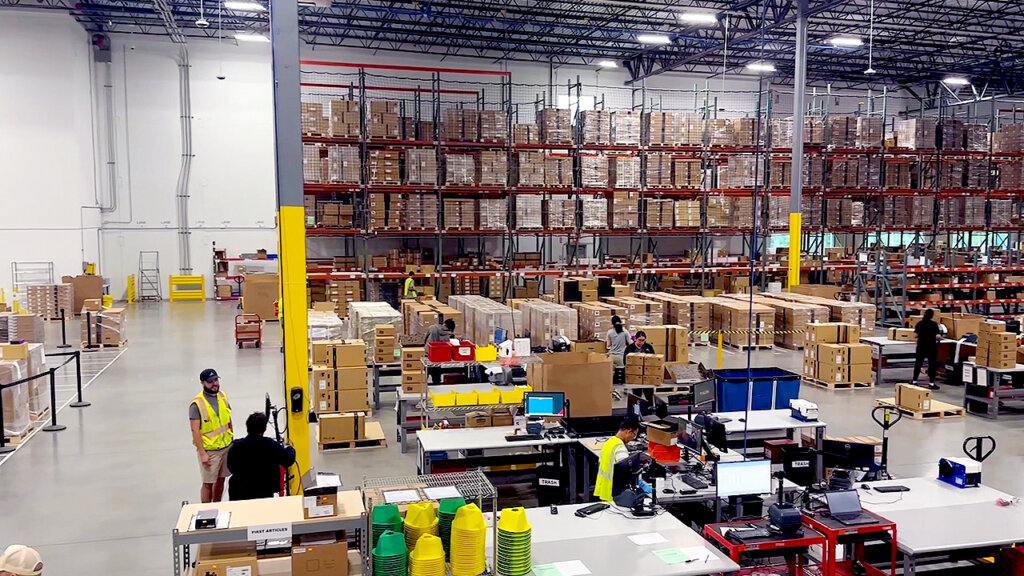
For one Silicon Valley memory technology company preparing for its IPO, rapid growth created simultaneous pressure for speed, inventory accuracy, and real-time operational visibility. To support increasing order volume, ALOM synchronized inventory directly with the customer’s systems and developed a custom visibility platform capable of supporting same-day receiving, final assembly, and outbound fulfillment to both channel partners and end-users.
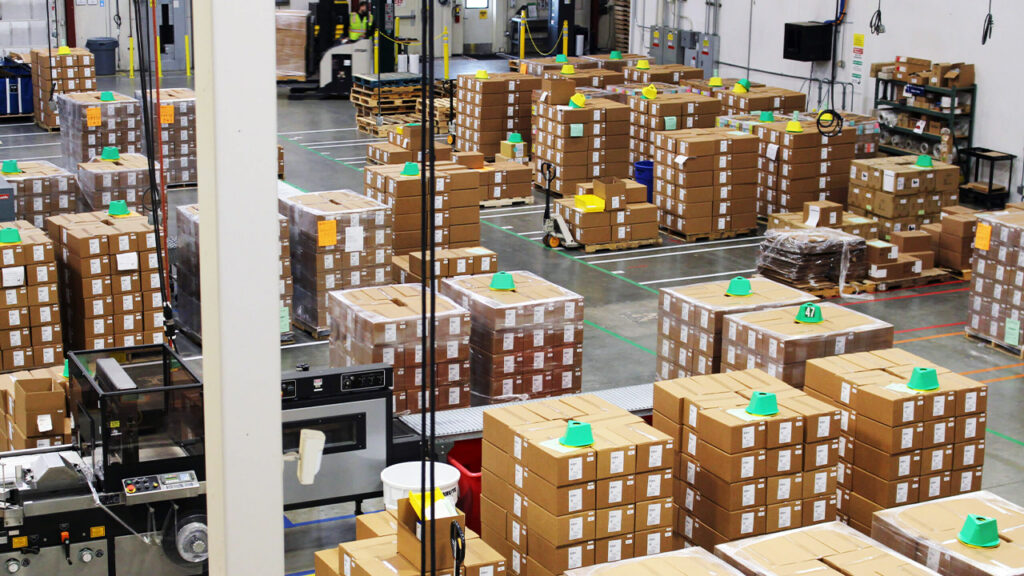
In another example, a publicly traded genetics company experienced holiday online order volume that exceeded forecast by 7X. ALOM’s order intake systems flexed as designed, dynamically routing orders to the optimal fulfillment location while maintaining personalized order accuracy at scale. Simultaneously, production, inventory, labor, and logistics operations expanded rapidly, including securing additional carrier capacity during peak holiday demand to ensure every order shipped on time.
How Supply Chain Execution Becomes A Competitive Advantage After Product-Market Fit
One of the most important lessons we learned from Silicon Valley is that innovation does not stop once a product works. For scaling technology companies, operational execution becomes part of the product experience.
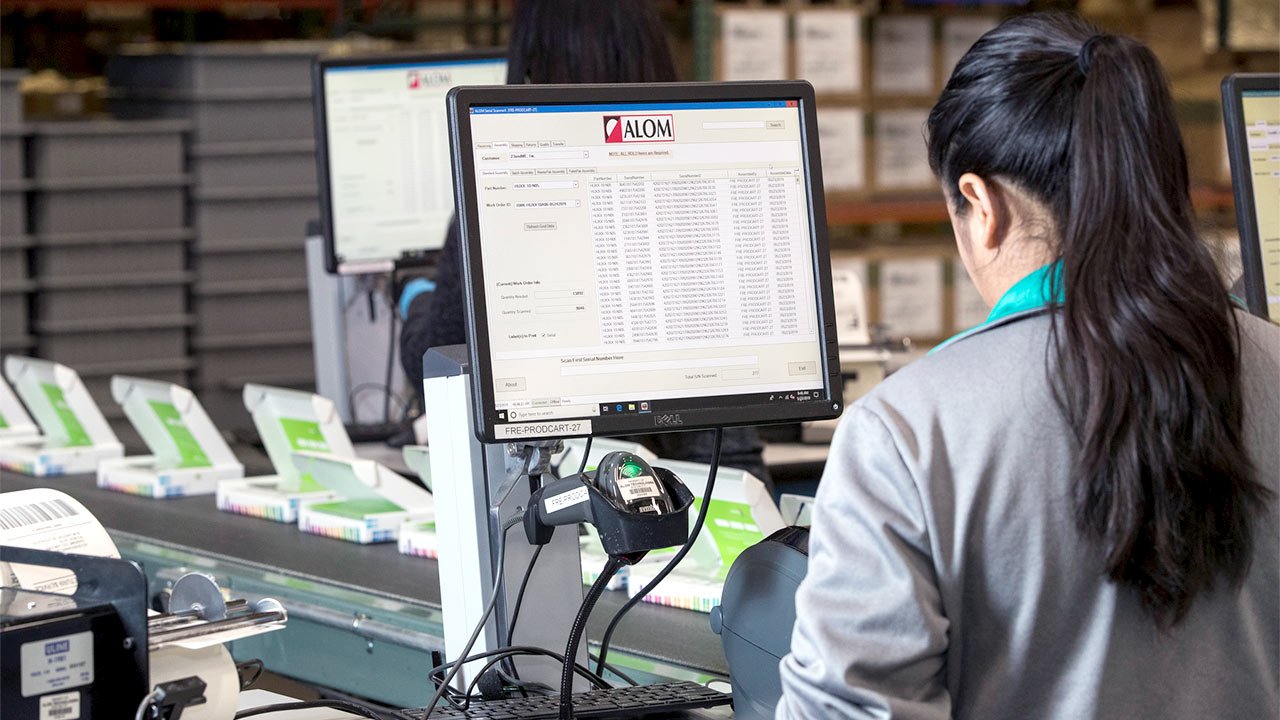
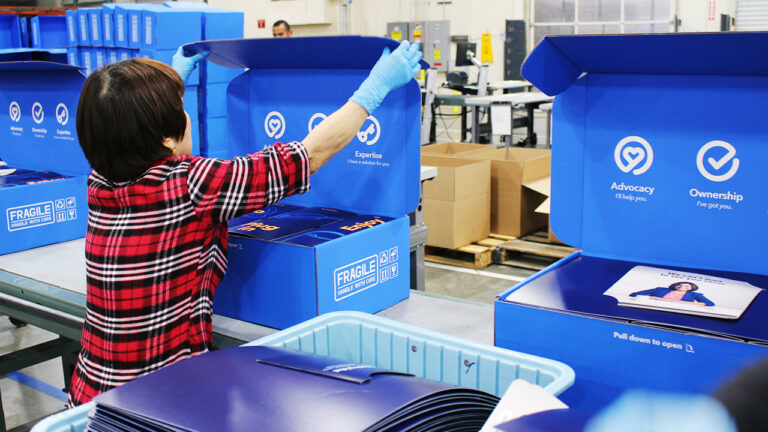
Packaging, fulfillment accuracy, compliance, traceability, delivery experience, and operational consistency all influence how customers ultimately experience a brand. That’s why ALOM’s commitment is not just about logistics. It’s about protecting your brand, your customers, and your peace of mind.
This is especially true for companies operating globally where operational complexity increases dramatically as products move across regions and regulatory frameworks.
In practice, many scaling challenges appear after product-market fit. A company may successfully build a breakthrough product only to discover that rapid growth exposes weaknesses in fulfillment workflows, inventory visibility, supplier coordination, packaging, or quality management.
At scale, operational execution becomes a competitive advantage. The technology companies that scale successfully are often the ones capable of evolving operations as quickly as they evolve products.
There is a major shift from the early-stage startup experimentation to a broader market adoption, where operational discipline and infrastructure become increasingly strategic.
Why Data Visibility and Operational Intelligence Are Essential to Scaling Operations: ALOM’s Data First Approach
Working alongside engineering-driven technology companies reinforced another important lesson: scalable operations begin with visibility.
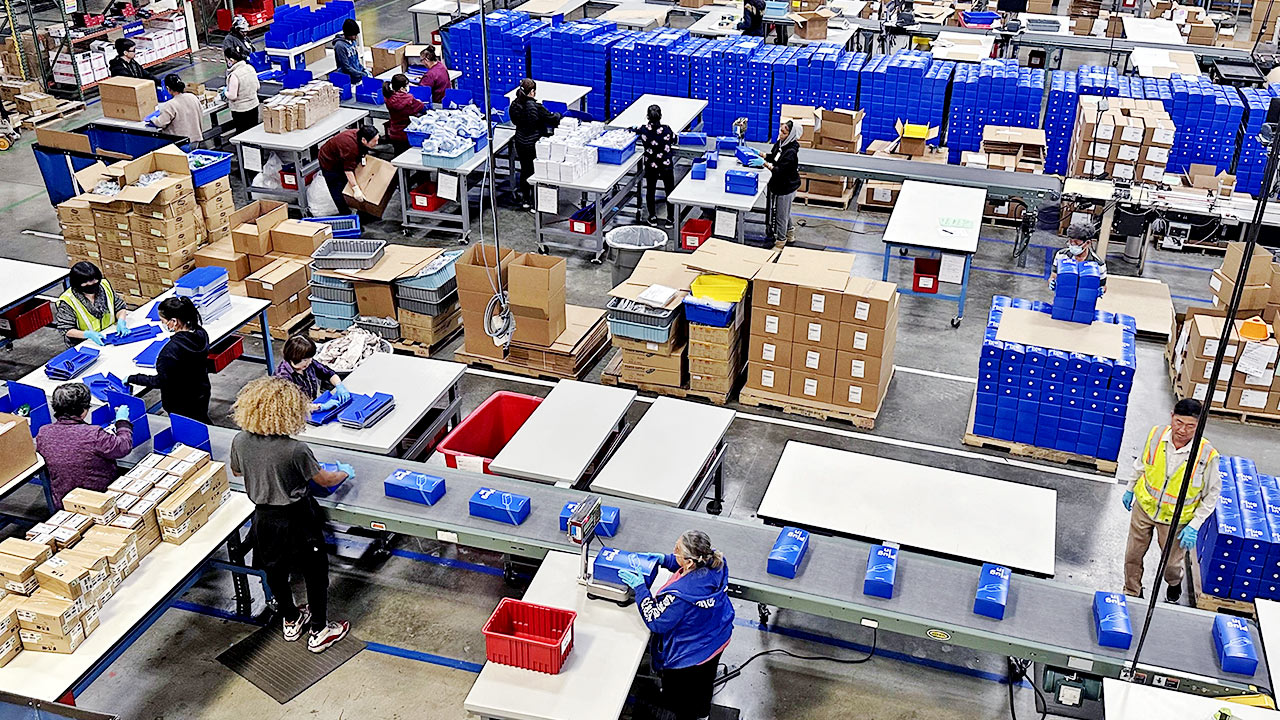
Many traditional logistics and manufacturing providers start by designing physical workflows first. ALOM’s approach has long been different. Programs often begin by evaluating how data moves through a process before physical workflows are modeled.
That mindset emerged directly from operating inside the world leading technology ecosystem, where systems thinking, operational intelligence, and data drive decision making.
The goal is not to create more operational complexity. It is to design systems that simplify complexity as companies scale. In fast-moving technology environments, scalable operations depend on pragmatic well integrated processes that are easier to support, easier to adapt and easier to scale under pressure.
Today, supply chain execution depends as much on information flow as product flow.
Traceability, quality integration, fulfillment accuracy, serialization, compliance tracking, and real-time visibility are foundational to operational excellence.
This data-first approach also shaped from the get-go how ALOM views technology internally. Functions like IT and quality management are treated as strategic operational investments rather than support cost centers because scalable execution depends on the quality of the systems behind the workflows.
That perspective is now even more of a strength for ALOM as supply chains grow more global, more regulated, and more disrupted.
Flexible Supply Chains Outperform Over-Optimized Systems
Technology markets change quickly. Demand fluctuates. Tariffs shift. Products evolve. Customer expectations continue rising.
Silicon Valley taught ALOM that highly optimized systems are not always resilient systems.
Over-optimized operations often struggle when conditions suddenly change. Flexible operational models are better equipped to absorb disruption, adapt to changing market conditions, and scale operations without creating bottlenecks.
That lesson continues shaping how ALOM supports both major technology brands and growth-stage companies preparing to scale.
The objective is not simply operational efficiency.
It is building flexible fulfillment operations and supply chain execution systems capable of adapting as products, markets, and customer requirements evolve.
In modern supply chains, flexibility, and increasingly operational elasticity, have become a competitive advantage.
AI, Global Complexity, And the Future of Scaling Operations
As AI infrastructure, automation, and global supply chain complexity continue accelerating, operational scalability is becoming even more strategic for technology companies competing globally.
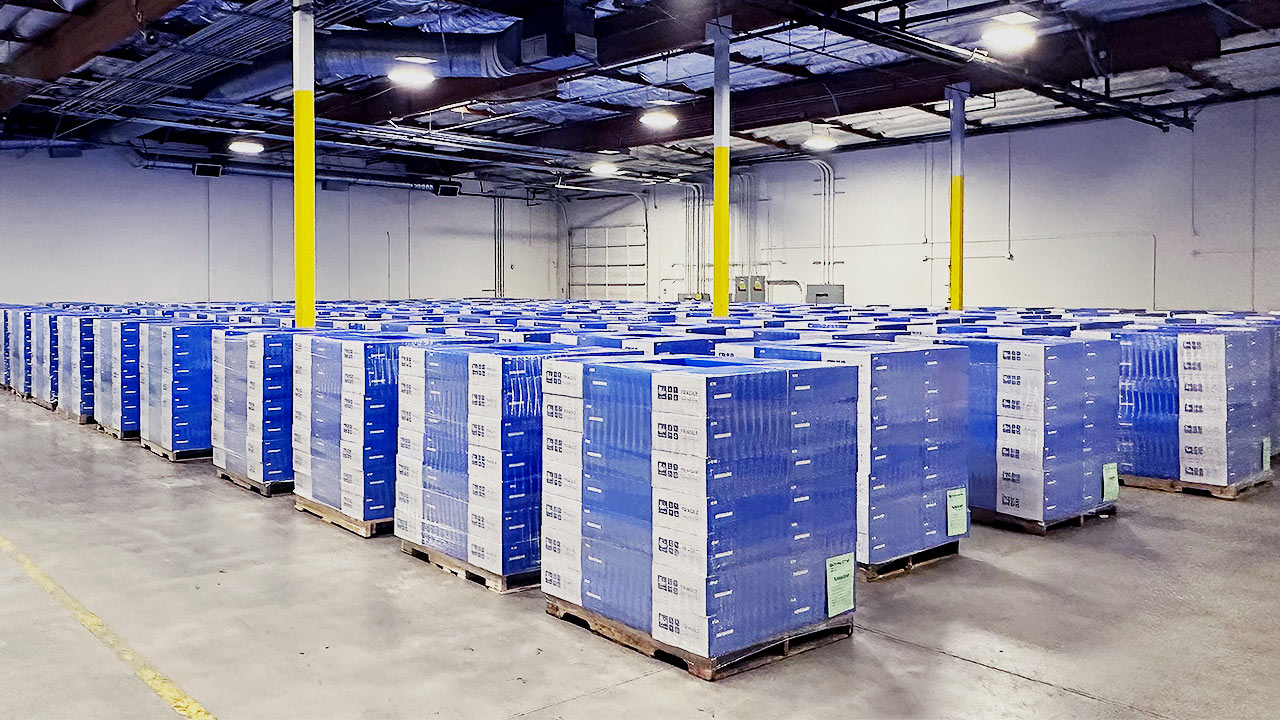
The next decade of competitive advantage will not come only from innovation. It will come from scaling execution intelligently.
Technology products may create demand, but long-term success depends on whether fulfillment operations, supply chain visibility, quality systems, and customer experience can scale alongside growth without disruption.
For the last 30 years, Silicon Valley has reinforced the same lesson: building innovative products is only part of the equation. The harder challenge, the one that makes or breaks companies, is building operations capable of scaling with them.

To hear more about how Silicon Valley’s culture of innovation, technology, and continuous improvement shaped ALOM’s approach to scaling operations, listen to ALOM COO Brandon Marugg discuss the company’s evolution, technology-first mindset, and operational philosophy on the Smart Supply Chain podcast.