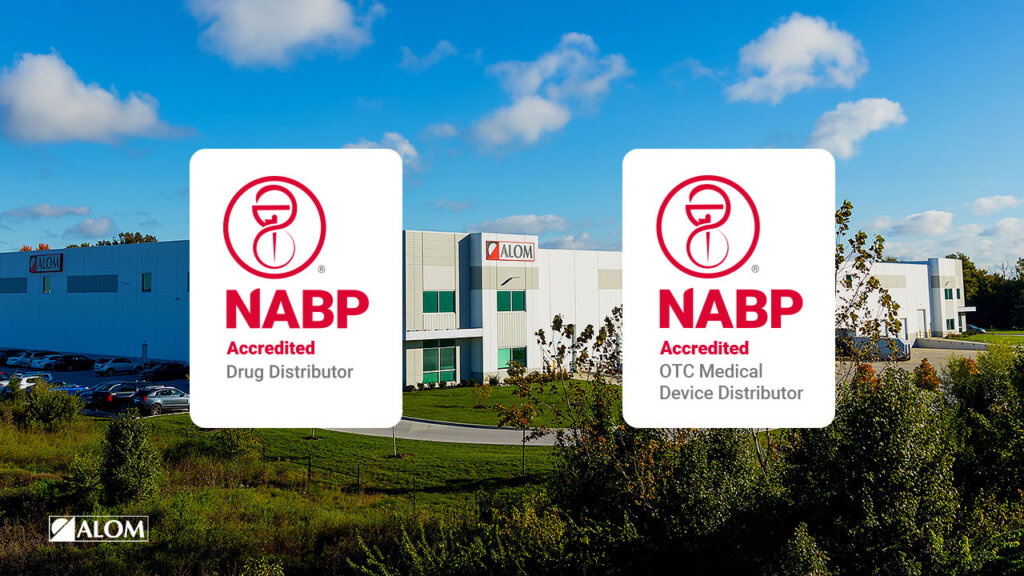
ALOM partners with healthcare leaders to deliver supply chain solutions that meet the highest standards for quality, compliance, and performance — protecting brands, driving innovation, and earning trust every day.
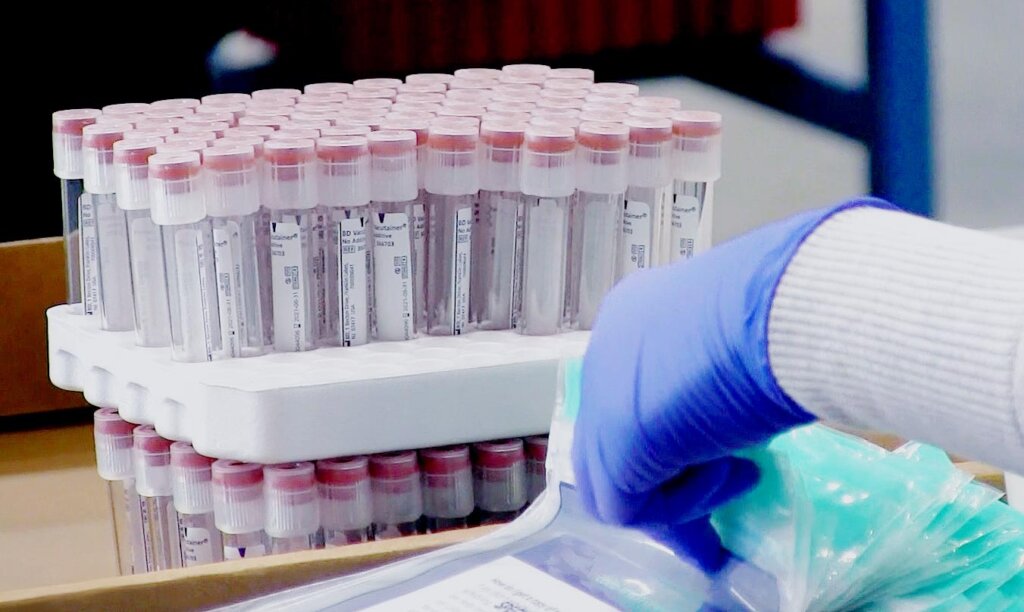





The pace of healthcare innovation demands supply chain solutions tailored to continually evolving requirements. ALOM’s flexible, customer-first approach empowers our medical program teams to engineer solutions that meet stakeholder needs and deliver results without compromise.
For medical supply chains, flawless execution is non-negotiable. ALOM’s validated QMS ensures regulatory compliance and verified Six Sigma quality performance. Our FDA registered facilities provide 100% temperature- and humidity-controlled 15–25°C facilities, with additional 2–8°C and –20°C storage options to meet the specification requirements of healthcare products.



Laboratory Science

Pharmaceutical

Medical Device

Diagnostics & Test Kits

Consumer Health & Beauty

Animal Health

Vitamins & Supplements
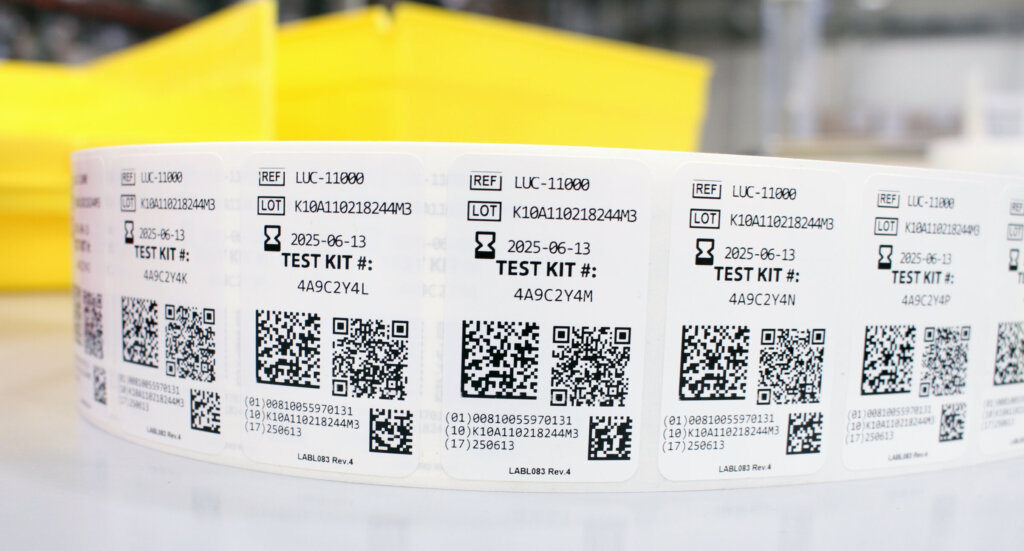
Built for healthcare innovators, ALOM API technology delivers seamless integration with your ERP, inventory, and patient management systems — empowering highly-secure data integrity, faster decisions, and patient outcomes.
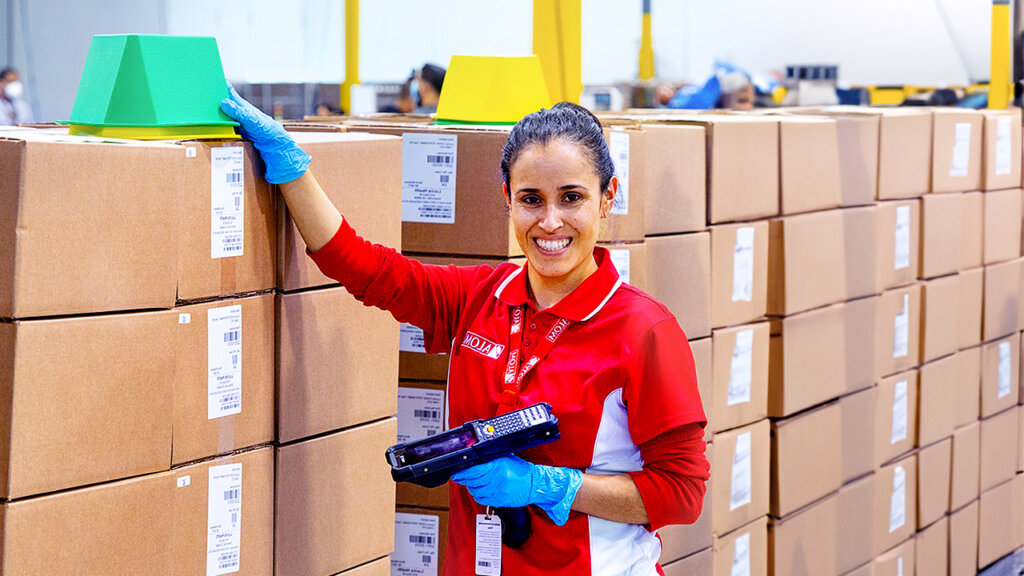
Engineered for healthcare leaders who demand traceability, agility, and precision. ALOM delivers disciplined processes, actionable visibility, and highly scalable solutions that help our customers move faster, control costs, and keep ahead of fast changing industry requirements.
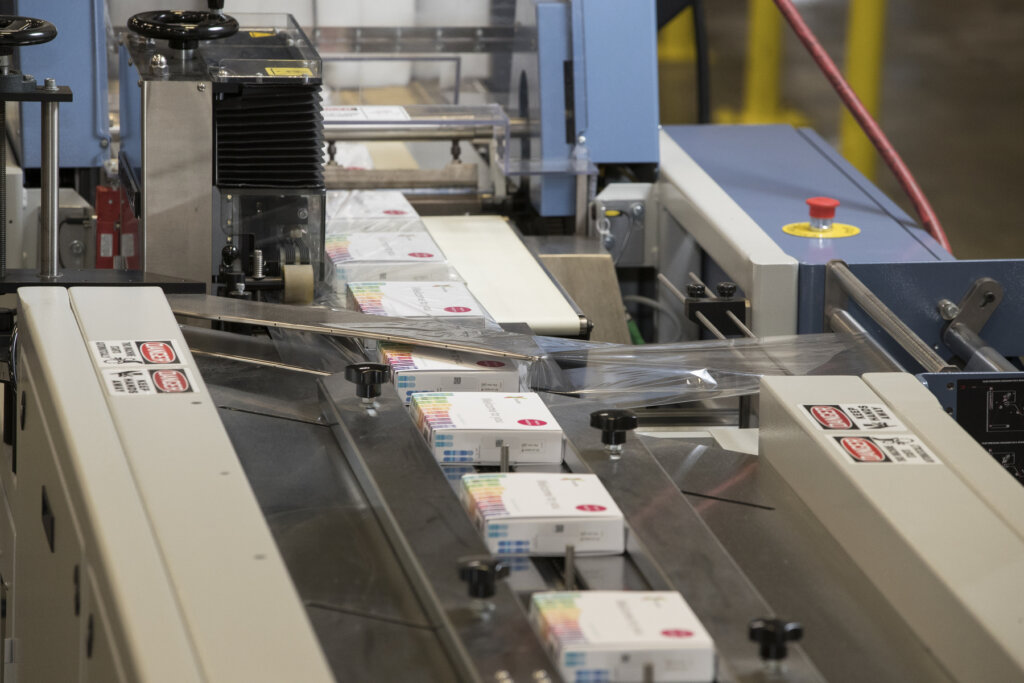
Healthcare sustainability requires equal attention to packaging, application, and disposal. We source ethically and reduce the environmental impact of disposable products while upholding the highest human rights and regulatory standards.
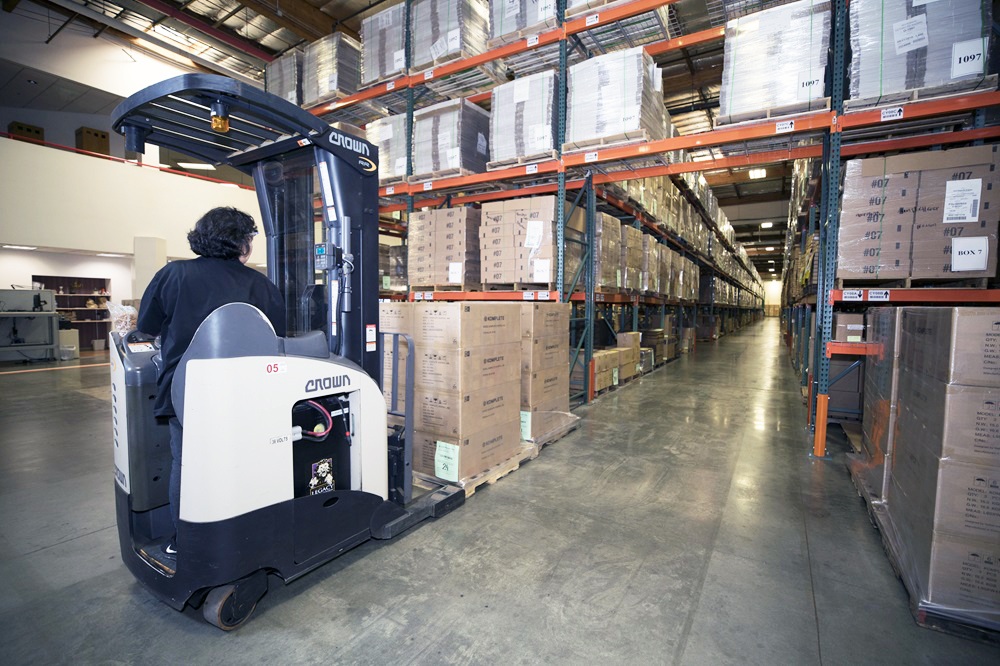
Every program is unique. For many, fab facility uptime and product lifecycle management are critical. Therefore, our services include MRO (Maintenance, Repair, and Operations), spare part distribution, and hazmat storage. We support field service and depot repair programs with secure storage and same day spare part fulfillment.

“Supply chain is the foundation of our business. The partnership with ALOM ensures that our supply chain is operating at the highest level of efficiency and our customers are completely satisfied.”


“23andMe has been a partner with ALOM for over a decade. ALOM’s partnership has helped us grow from a small startup to the public organization that we are today. They are experts, that’s for sure.”


“We think of ALOM as an extension of Wisdom Panel, rather than a vendor. No matter what we need, ALOM is willing to go above and beyond.”

“In ALOM, we found a supply chain services partner that was nimble enough to ramp up quickly and flexible enough to scale so we could meet peak demand.”
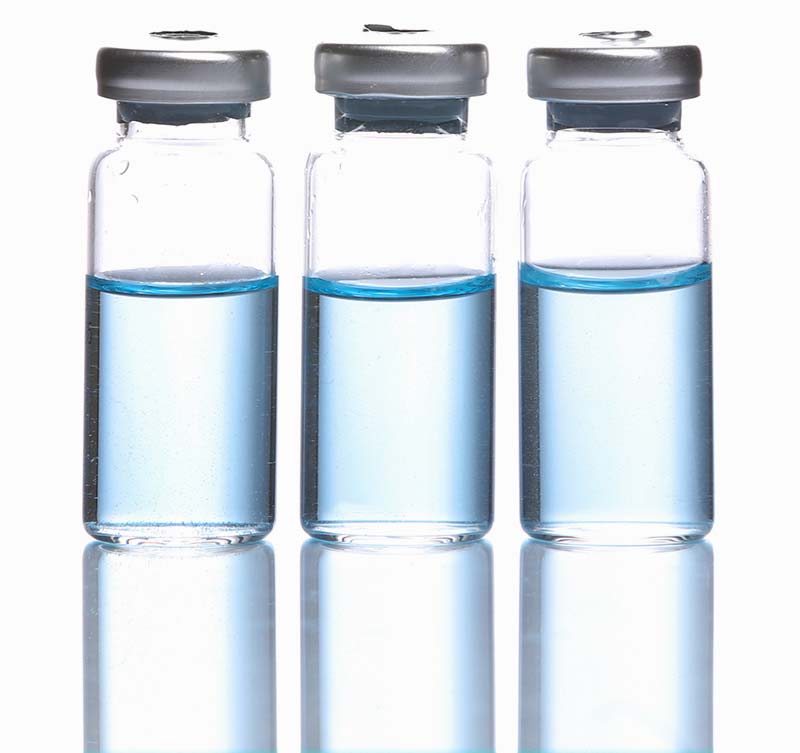
Healthcare and life sciences supply chains need more than storage and shipping. When products are regulated, personalized, battery-powered, environmentally sensitive, or connected to patient outcomes, ALOM provides advanced traceability, customization, product integrity controls, and licensed healthcare logistics capabilities that standard 3PLs often cannot match.
Standard
Expected from many standard 3PLs or table-stakes in this market
Advanced
Stronger, deeper, or more strategic than what buyers usually get from a standard 3PL
Variable/Limited
Available from some providers, but inconsistent, limited, or often add-on
Not Standard
Not typically part of a standard 3PL offering
| What healthcare and life sciences teams care about | Standard 3PL Provider | ALOM |
|---|---|---|
| Healthcare supply chain expertise | Variable/Limited Standard 3PLs may understand logistics, but healthcare-specific expertise is not always embedded across functions. |
Advanced ALOM has healthcare-specific expertise across operations, quality, compliance, technology, logistics, and supply chain management. This cross-functional knowledge helps ALOM design, launch, and manage regulated healthcare programs with fewer handoffs and stronger execution control. |
| End-to-end traceability | Variable/Limited Many providers offer SKU, lot, or basic serialization, but traceability across inventory, expiration, fulfillment, returns, devices, and recalls is not always standard. |
Advanced ALOM supports traceability across the healthcare product lifecycle, including products, kits, lots, expirations, shipments, returns, devices, recalls, and customer-specific workflows. It gives teams stronger control than basic serialization alone. |
| Custom kitting for regulated healthcare programs | Variable/Limited Basic kitting may be available, but regulated, patient-specific, trial, remote monitoring, or personalized healthcare workflows often require added oversight. |
Advanced ALOM supports complex healthcare kitting for regulated products, including multi-component kits, multiple expiration dates within the same package, personalized programs, remote patient monitoring, clinical trial support, and end-user-specific delivery. |
| Patient-specific fulfillment and customization | Variable/Limited Standard providers may add inserts or labels, but patient-specific workflows, branded experiences, portal-driven ordering, or device-level customization are often limited. |
Advanced ALOM can customize healthcare fulfillment at the point of shipment, including printed materials, device configuration, patient-specific packaging, B2B or B2C portal workflows, and traceability to the end user. |
| Inline and on-demand medical information printing | Not Standard Most standard 3PLs do not offer inline or on-demand regulated product information printing as part of fulfillment. |
Advanced ALOM can support inline or on-demand digital print for regulated product information, limited batches, content updates, waste reduction, and patient-specific materials. |
| Product integrity and environmental controls | Variable/Limited Temperature-controlled storage may be available, but monitoring, documentation, humidity, pest control, and specialized handling controls vary widely. |
Advanced ALOM supports healthcare product integrity through monitored environmental controls, temperature and humidity considerations, pest control, documented handling processes, and applicable battery or HazMat-related controls for approved product types. |
| Lot and expiration control | Variable/Limited Some 3PLs support lot control, but maturity varies by industry specialization and system depth. |
Advanced ALOM supports lot and expiration control, serialized lot rotation, inventory traceability, recall readiness, and healthcare workflows that require accurate product status by batch or expiration date. |
| Medical device and battery handling | Variable/Limited Battery and HazMat handling, device charging, and lithium-ion battery requirements are not consistently supported by standard providers. |
Advanced ALOM can support medical devices with rechargeable or embedded battery requirements, including lithium-ion batteries contained in equipment, battery checking, charging, and handling processes designed to help devices arrive ready for end-user use. It is especially relevant for devices such as hearing aids, remote monitoring tools, and connected medical products. |
| Pharma and medical device licensing for regulated healthcare logistics | Not Standard Pharma and medical device licensing are not typical for a standard 3PL. |
Advanced ALOM’s pharma and medical device licensing supports regulated programs where compliance and controlled handling requirements matter. |
| Secure data handling and healthcare privacy | Standard Responsible healthcare logistics providers should support secure systems and privacy-aware processes, but certifications, controls, visibility, and in-house technology capabilities vary. |
Advanced ALOM supports secure, privacy-conscious healthcare supply chain operations with SOC 2 Type 2-certified controls, HIPAA-aligned processes, documented data stewardship practices, in-house visibility tools, and a compliance-focused operating culture. |
For healthcare and life sciences programs, a standard 3PL may handle the shipment. ALOM helps protect the product, the patient experience, the traceability record, and the compliance expectations behind it.
Need healthcare logistics built for regulated complexity? Speak with an ALOM expert.
Let’s talk about how ALOM can optimize and bring peace of mind to supply chain performance while protecting what matters most — your patients and your brand.
Medical device companies should choose a third-party logistics (3PL) partner with proven experience managing regulated healthcare supply chains, not simply general fulfillment operations. When products are used to diagnose, monitor, or treat patients, fulfillment accuracy, regulatory compliance, and product traceability directly impact patient safety, product quality, and brand reputation.
Look for a logistics partner that operates FDA registered facilities, maintains a Quality Management System (QMS) certified to ISO 13485, and has experience supporting both over-the-counter (OTC) and prescription (Rx) medical devices. Depending on the products you distribute, state licensing for prescription device fulfillment may also be required.
An experienced medical device 3PL should maintain complete lot, serial number, and UDI traceability while using First Expired, First Out (FEFO) inventory management to help ensure products with the earliest expiration dates are shipped first. Providers should also demonstrate comprehensive safeguards for protecting sensitive patient and healthcare information throughout order processing and fulfillment.
Beyond warehousing and shipping, the right partner should have the quality systems and operational experience to manage the entire medical device lifecycle, from procurement through fulfillment, returns, and recalls.
Look for a logistics partner with demonstrated healthcare expertise, FDA registered facilities, a Quality Management System (QMS) certified to ISO 13485, documented operating procedures, inventory traceability, serialization capabilities, and experience supporting regulated medical devices. Ask prospective partners for evidence of performance through quality metrics, audit history, customer references, and examples of similar healthcare programs.
Most 3PL providers are designed for consumer products and general merchandise. Medical devices require documented quality systems, regulatory controls, product traceability, validated operating procedures, and trained personnel. Healthcare supply chains have little margin for error because fulfillment mistakes can affect patient safety, regulatory compliance, product recalls, and customer confidence.
For many medical device programs, yes.
FDA registration demonstrates that a facility operates within a regulated healthcare environment. Depending on your products and distribution model, additional state licensing or industry accreditations may also be required, particularly for prescription (Rx) medical devices.
A Quality Management System (QMS) certified to ISO 13485 demonstrates that a medical device logistics partner has documented processes governing quality, risk management, traceability, corrective actions, change control, and continual improvement. Certification provides independent verification that these processes have been evaluated against the internationally recognized ISO 13485 standard for medical devices.
Medical devices range from over-the-counter products purchased directly by consumers to physician-prescribed devices that may require additional regulatory oversight and state licensing for fulfillment. If your products include prescription medical devices, verify that your logistics partner maintains the appropriate licenses and operational controls required to distribute them compliantly.
Complete inventory traceability is essential throughout the medical device supply chain.
Your logistics partner should be able to track products by:
This level of visibility improves recall readiness, simplifies audits, supports warranty management, and helps maintain regulatory compliance.
First Expired, First Out (FEFO) is an inventory management method that prioritizes shipping products with the earliest expiration dates before newer inventory. FEFO helps reduce product waste, supports regulatory compliance, and ensures healthcare providers and patients receive products with the greatest remaining shelf life.
Yes.
Medical device manufacturers increasingly rely on serialization and Unique Device Identification (UDI) to improve product traceability, inventory control, recall management, warranty support, and regulatory compliance. Your logistics partner should support serialized inventory throughout receiving, storage, fulfillment, returns, and recalls.
Yes.
Many healthcare supply chains distribute products directly to patients in addition to hospitals, physician offices, laboratories, distributors, and retailers. The right logistics partner should be able to support multiple distribution channels while maintaining consistent quality controls, regulatory compliance, and patient privacy.
Healthcare fulfillment often requires processing protected health information (PHI) during order fulfillment, patient registration, or device distribution. While HIPAA compliance is foundational, organizations should also evaluate a logistics partner’s broader information security practices, including access controls, audit capabilities, cybersecurity certifications, and data governance policies.
Depending on your products and business model, value-added services may include:
Ask prospective logistics partners questions such as:
| Evaluation Criteria | Why It Matters |
|---|---|
| FDA registered facilities | Supports regulated medical device operations |
| Quality Management System (QMS) certified to ISO 13485 | Demonstrates independently verified quality processes |
| Prescription device licensing | Enables compliant fulfillment where state regulations apply |
| Lot, serial number, and UDI traceability | Improves recall readiness and audit support |
| FEFO inventory management | Helps manage product expiration and reduce waste |
| Temperature-controlled storage | Protects sensitive healthcare products |
| Real-time inventory visibility | Improves inventory planning and replenishment |
| ERP, WMS, and API integration | Eliminates manual processes and improves visibility |
| Healthcare fulfillment experience | Reduces implementation and compliance risk |
| Reverse logistics capability | Supports repairs, returns, and recalls |
| Documented quality metrics | Demonstrates consistent operational performance |
| Scalable operations | Supports business growth and product launches |
When evaluating medical device logistics partners, ask for documented performance data rather than relying solely on marketing claims.
Examples of meaningful evaluation metrics include:
| Performance Metric | Why It Matters |
|---|---|
| Order accuracy | Reduces fulfillment errors |
| Inventory accuracy | Improves product availability |
| On-time shipping | Supports customer service commitments |
| Audit performance | Demonstrates QMS effectiveness |
| Recall readiness | Enables rapid response when needed |
| Quality certifications | Provides independent verification of operational controls |
ALOM’s healthcare supply chain operations include: