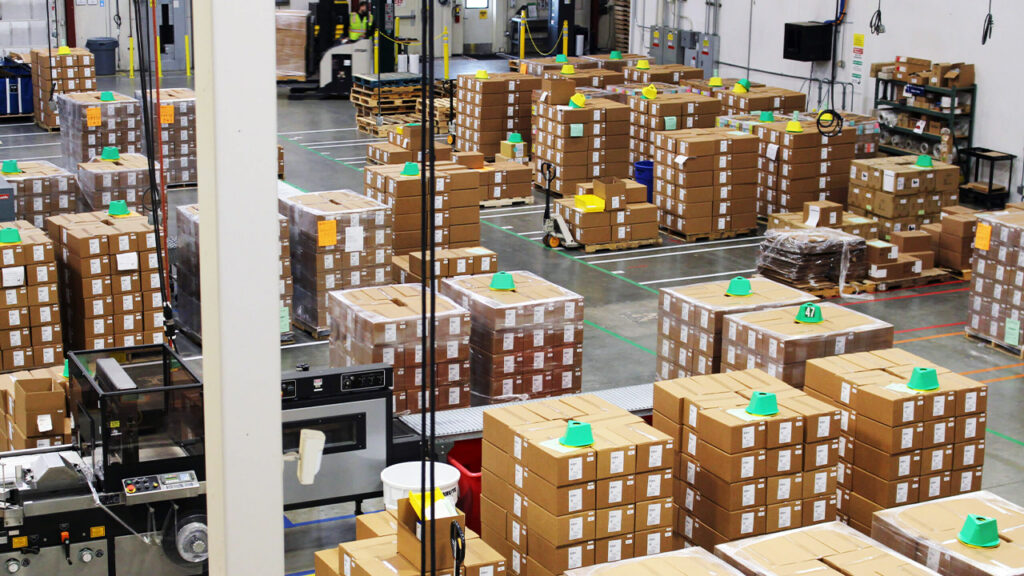
When we think about “love” in business, most of us picture grand gestures or marketing slogans. But in supply chain, the real expressions of care, the ones customers feel, happen quietly, in the day-to-day decisions that remove friction, protect experience, and build confidence.
Here are six ways smart supply chains show love with real stories from companies that have put these ideas into action.
1. Design for the Worst Day, Not Just the Best
Love shows up not when everything is perfect, but when it isn’t.
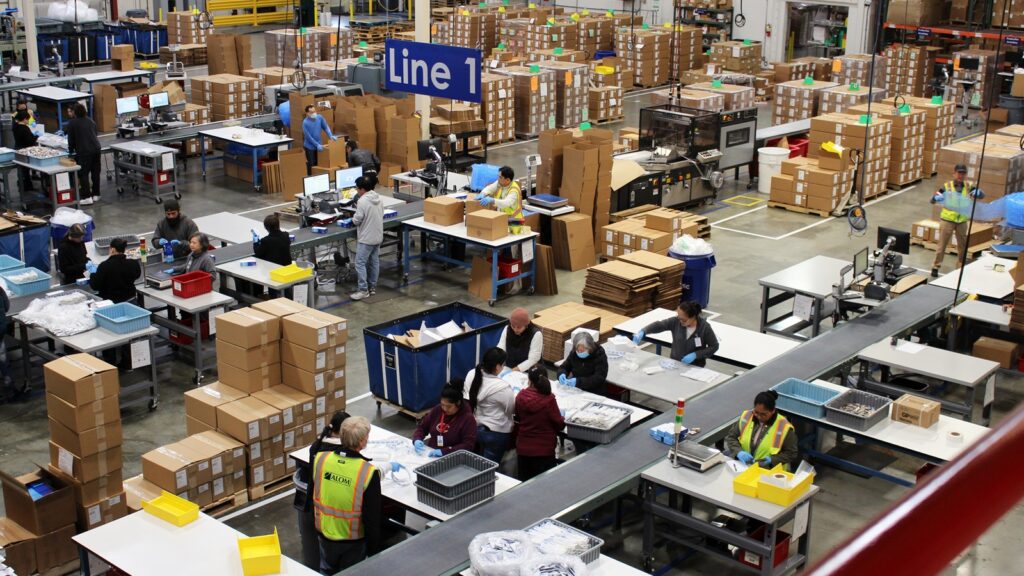 Great supply chain partners don’t optimize only for smooth sailing, they build systems that are resilient when conditions shift. They’re built to absorb surprises like demand spikes, delays, last-minute changes without passing chaos downstream. That means flexibility baked into processes, visibility across systems, and teams empowered to respond calmly instead of reactively.
Real partnerships are defined by what happens when plans break down. Internally, ALOM operates with a simple rule: when our customers have a problem, it becomes our problem too. That perspective changes how teams respond under pressure, replacing escalation with ownership and urgency with clarity.
When customers run into trouble, what they remember isn’t how polished your plan looked on paper. They remember whether you showed up, took ownership, and helped them navigate the moment.
What This Looks Like In Practice:
A global pharmaceutical customer leaned on rapid scalability and real-time visibility to meet unpredictable demand. ALOM quickly scaled and provided FEFO inventory control and traceability, helping the client keep delivery commitments even as market conditions swung wildly.
2. Make “Nothing Happening” the Goal
In most areas of business, nothing happening means… nothing. In supply chain, it means everything.
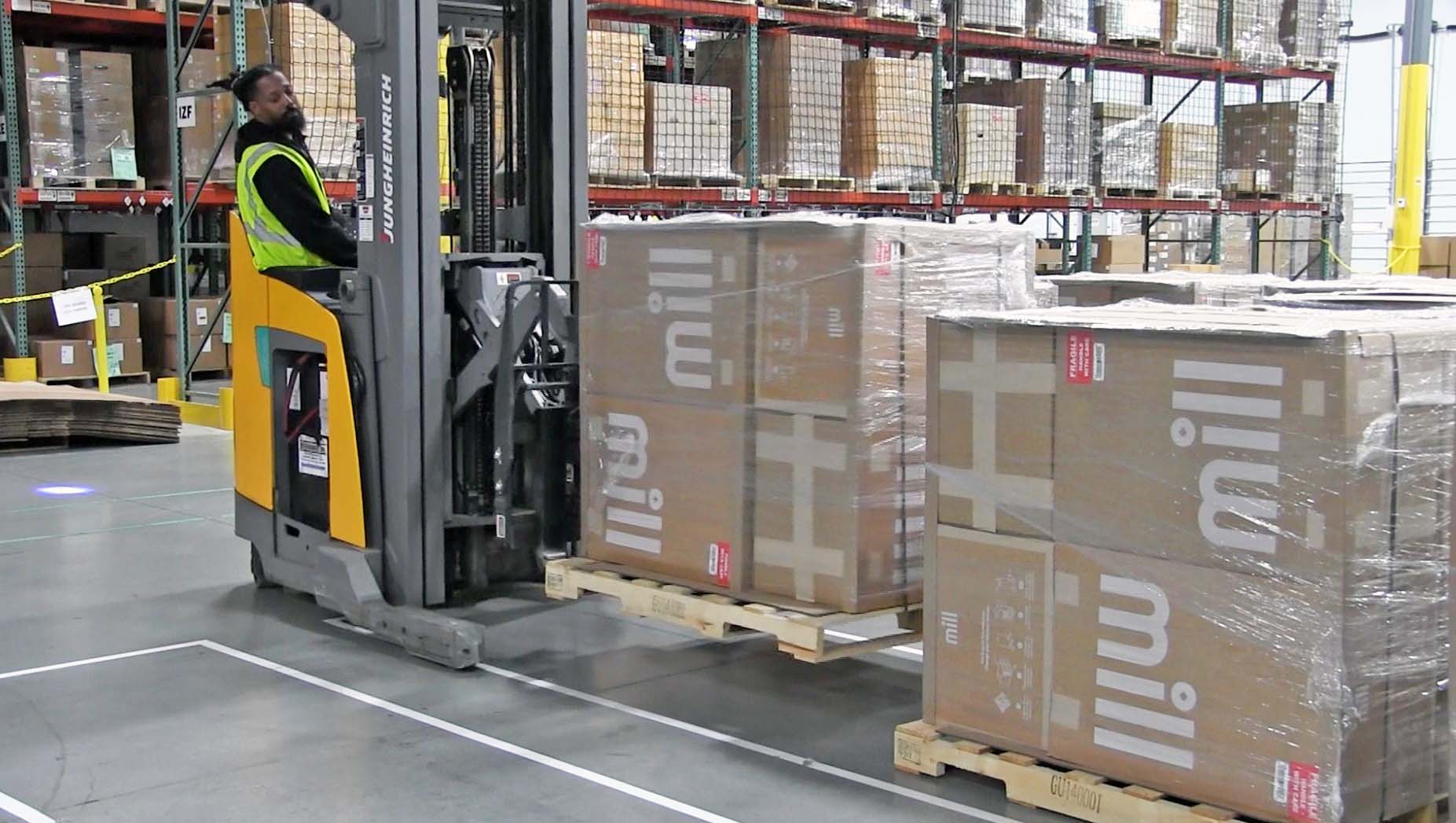
Orders ship on time. Systems behave. Customers don’t check in. Nothing escalates.
As our CEO, Hannah Kain, often says, “The best supply chain is invisible, it just works.”. That invisibility is not accidental: it’s the result of disciplined planning, thoughtful execution, and countless small decisions made behind the scenes. Yet many organizations still reward heroics over prevention, celebrating how fast problems are fixed instead of how rarely they occur. Firefighting can look impressive, but it’s exhausting, and it erodes trust over time.
The truth is, customers don’t want to see supply chain brilliance. They want to not have to think about it at all. When execution is predictable, anxiety drops, trust builds, and supply chain becomes something customers rely on rather than monitor.
What This Looks Like In Practice:
In the Mill case study, as fulfillment volumes surged, ALOM scaled with precision, reducing average delivery times from seven days to 2–3 days. For Mill’s customers, that meant fewer questions, fewer complaints, and more confidence in order outcomes.
3. Build Quality In at Every Step, Not Just the Last Mile
The most visible quality failures often show up in the last mile: a damaged product, a missing component, an incorrect configuration. But those failures are rarely caused in the last mile. They are the result of upstream decisions: how inventory is handled, how processes are designed, how quality checks are embedded, and how consistently standards are applied.
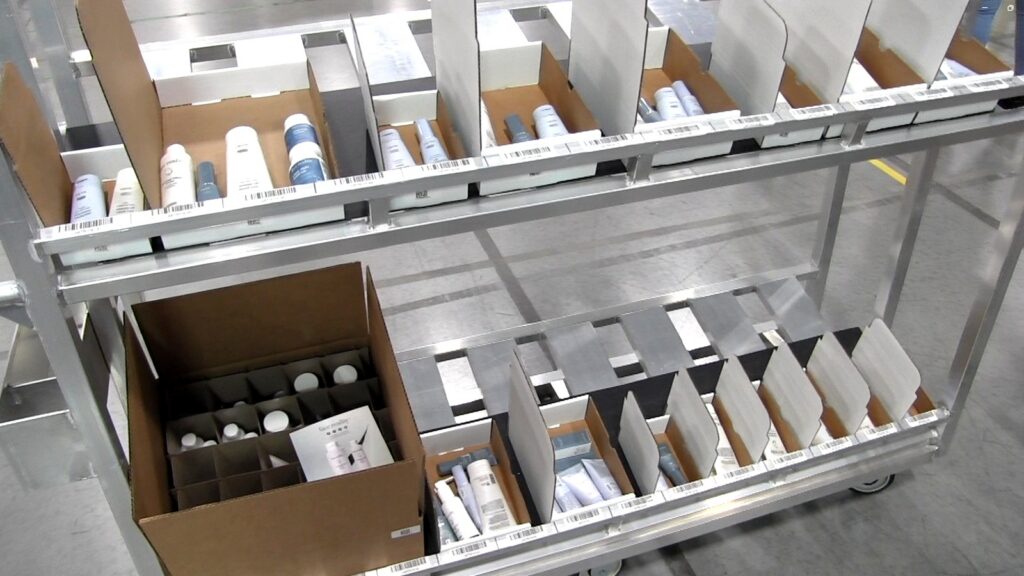 Quality is created long before a package ever ships. Strong supply chains don’t rely on final inspections to catch problems. They integrate quality throughout the entire operation: from receiving and kitting to storage, picking, packing, and shipping. Quality isn’t a single step; it’s a system.
When quality is designed end-to-end, customers experience fewer surprises, fewer exceptions, and greater confidence. The last mile becomes a confirmation of everything that worked upstream, not a stress test for what didn’t.
What This Looks Like In Practice:
Face Reality’s supply chain is complex: high SKU counts, sensitive storage requirements, and personalization for individual orders. ALOM’s QA process, including advanced packing and multiple verification steps, virtually eliminated in-transit damage and lifted order accuracy to 99.99%. This kind of execution boosts customer satisfaction without fanfare.
4. Keep Inventory Boring On Purpose
In supply chain, boring is a compliment.
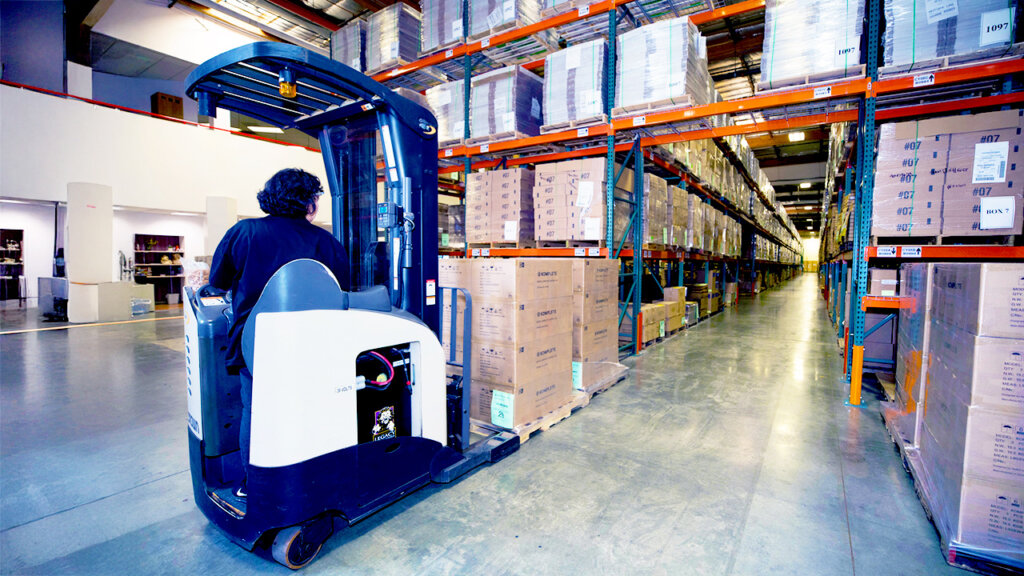
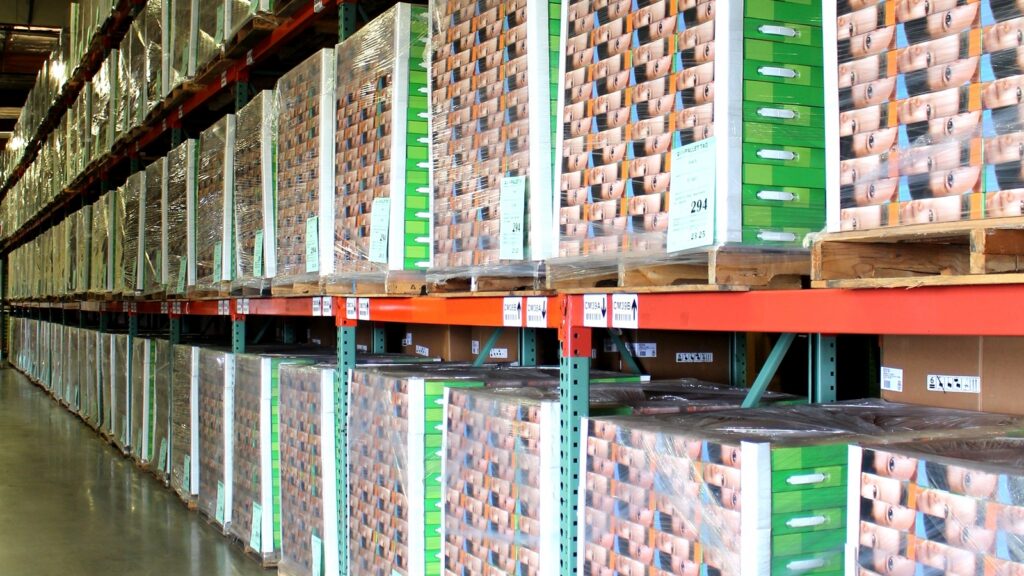 Predictable inventory availability means fewer fire drills, fewer expensive expedites, and fewer uncomfortable conversations. It means customers can trust that what they need will be there, without paying a premium for urgency that could have been avoided.
The most loving inventory strategies aren’t optimized for excitement. They’re optimized for calm: the right inventory, in the right place, at the right time.
What This Looks Like In Practice:
A statewide public agency relying on educational kits saw a transformation in reliability after ALOM implemented real-time inventory visibility, automated order administration, and near-perfect on-time shipping (99.9%). That meant kits for caregivers and families could be delivered same-day, reliably, and with no backorders.
5. Build Visibility So Others Can Do Their Jobs Well
Visibility isn’t just an operational advantage, it’s an act of empathy.
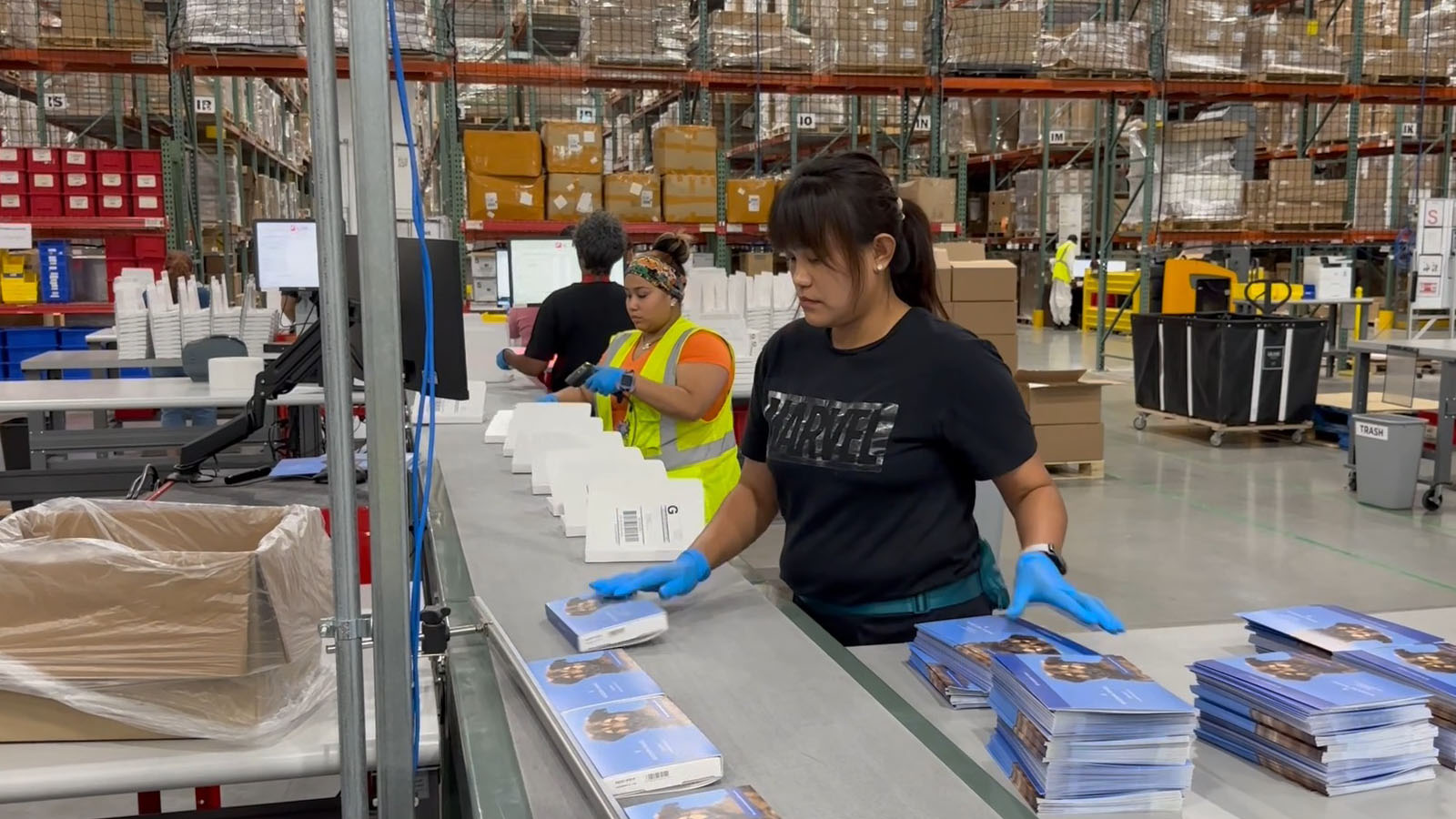
When teams lack visibility, anxiety fills the gap. Customer service spends time chasing answers. Sales hesitates to make commitments. Leaders make decisions with partial information. All of that friction adds up.
Clear, reliable visibility allows people to do their jobs well. It replaces guesswork with confidence and reaction with intention. In that sense, visibility isn’t about control, it’s about care.
What This Looks Like In Practice:
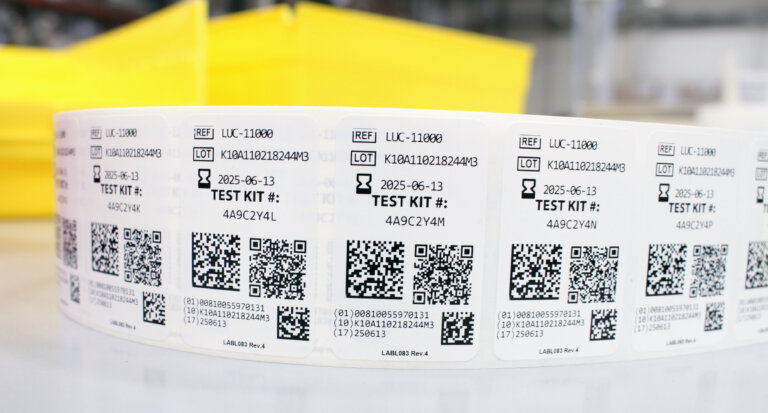
When a global pet DNA leader expanded into new markets, advanced business intelligence, serialization, and traceable order tracking helped ensure 99.9% on-time fulfillment, even amid pandemic and regulatory complexity.
6. Use Planning as an Act of Care (Head + Heart)
Even in highly structured environments, the human side of operations still matters. Internally, we often remind ourselves that service with a smile isn’t outdated, it’s essential.
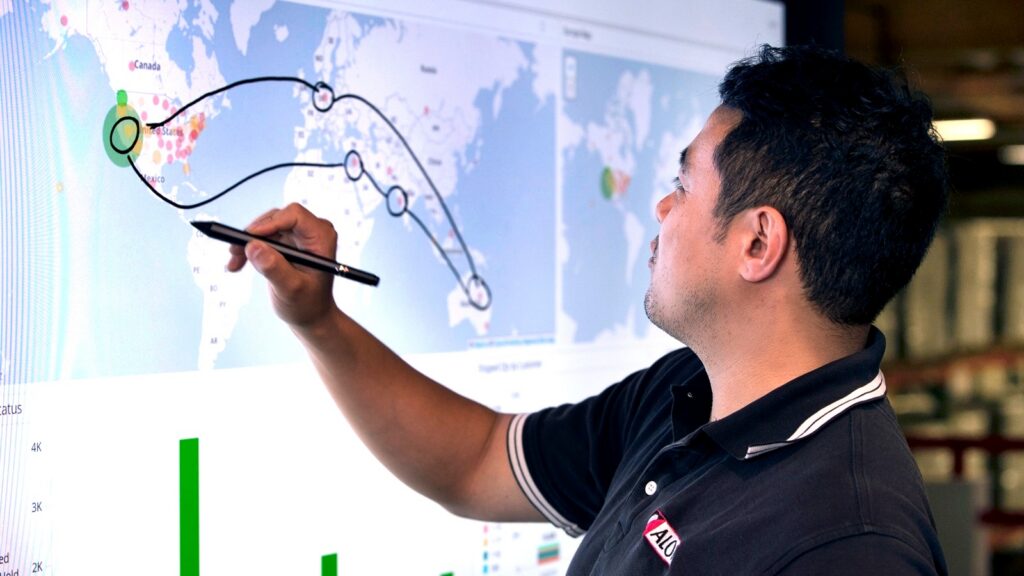 Care without discipline is sentiment. Discipline without care is cold. The best supply chains blend both.
Thoughtful planning anticipates needs, protects time, and reduces stress before problems surface. The strongest supply chains blend head and heart: rigor and empathy, discipline and partnership.
When planning is done well, it doesn’t feel rigid. It feels supportive.
What This Looks Like In Practice:
A long-term eCommerce partner, 23andMe relied on integrated inventory, fulfillment, and quality workflows to support rapid order processing, scalable growth, and accurate deliveries, all deeply planned rather than patched.
Romance Is Easy. Real Love Is Operational.
If you want customers, partners, and teams to feel confident, you have to do more than promise it. You have to engineer it into your execution.
Love isn’t a Valentine’s Day marketing line.
In supply chain, love is the repeatability of reliability, the quiet of no surprises, and the confidence that comes from flawless execution, at scale.